
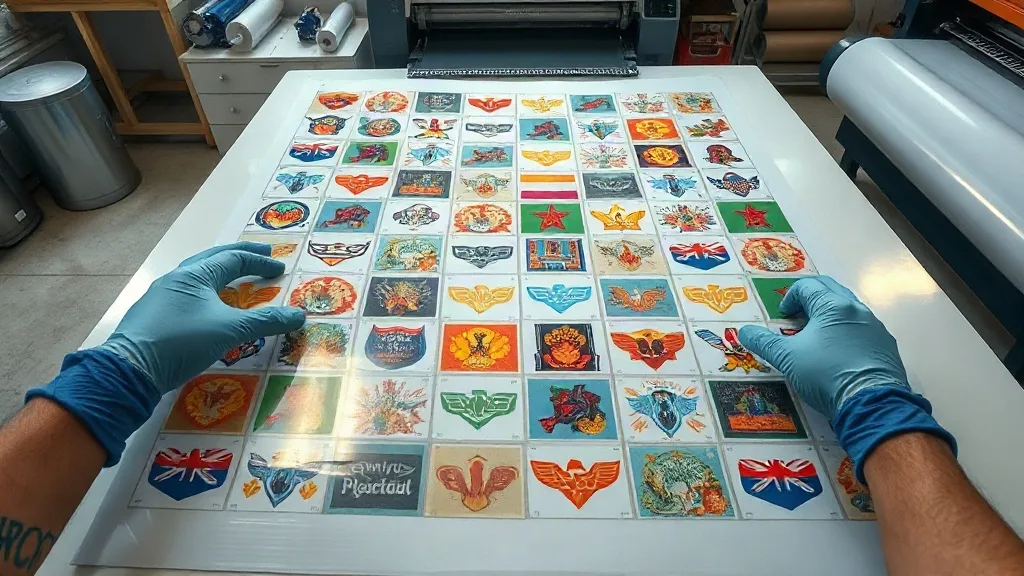
Running a print shop means juggling dozens of orders, each with its own deadline, design, and fabric requirements. If you're still printing DTF transfers one by one, you're likely wasting time, material, and money. The solution? DTF Gangsheet printing, a method that lets you combine multiple designs into a single sheet, maximizing every inch of transfer film. In this guide, we'll explore how gangsheets work, why they're a game-changer for efficiency, and how to implement them in your shop for better profits and happier customers.
What Is a DTF Gangsheet?
A DTF Gangsheet is a large sheet of transfer film that contains multiple designs printed simultaneously. Instead of printing each order individually, you arrange all the designs for a batch of orders onto one sheet, leaving minimal wasted space. This approach is similar to gang printing in offset lithography, where multiple jobs are combined to save setup time and materials. For DTF, it means you can produce a variety of transfers in one pass through the printer, then cut them apart for application.
The benefits are immediate: less film waste, lower ink consumption per design, and significantly faster production. Shops that adopt gangsheet printing often see a 30-50% reduction in material costs and a dramatic increase in daily output. Plus, it simplifies workflow management because you're handling fewer print jobs.
Why Your Print Shop Needs DTF Gangsheets
If you're not using gangsheets, you're leaving money on the table. Here's why they matter:
- Cost efficiency: By nesting designs tightly, you use less film and ink per transfer. The savings add up quickly, especially for high-volume orders.
- Time savings: Printing one large sheet takes almost the same time as printing a small one, so you multiply your output without multiplying your labor.
- Consistency: Designs printed on the same sheet share identical settings, reducing variations in color and quality.
- Scalability: Gangsheets make it easy to handle large orders or multiple small orders in one go, perfect for growing shops.
Beyond the numbers, gangsheets also reduce wear and tear on your printer. Fewer print jobs mean fewer cleaning cycles and less downtime for maintenance.
How to Create an Effective DTF Gangsheet Layout
The key to reaping the benefits of gangsheets lies in the layout. A poorly arranged sheet wastes space and can lead to cutting errors. Follow these steps to optimize your gangsheet:
- Collect all designs for the batch: Group orders by deadline or fabric type to streamline the process.
- Use gangsheet builder software: Tools like the DTF Gangsheet builder automate nesting and ensure efficient use of space.
- Nest designs tightly: Rotate and reposition designs to fill gaps. Leave a small margin between designs for clean cutting.
- Consider the grain of the film: Some films have a directional grain; align designs accordingly to avoid stretching.
- Add registration marks: These help with cutting and alignment during application.
- Review before printing: Double-check that all designs are included and properly sized.
Remember, the goal is to minimize unused space while keeping the sheet manageable. Overly complex layouts can slow down cutting, so find a balance.
Choosing the Right Materials for Gangsheet Printing
Not all DTF films and powders are created equal. For gangsheets, you need materials that can handle large formats without warping or inconsistent adhesion. Here's what to look for:
- Film: Opt for a high-quality PET film with a consistent coating. Thicker films (75-100 microns) are more durable and less prone to curling during printing.
- Powder: Use a fine-grade adhesive powder that melts evenly. Coarse powders can cause clumping and uneven transfer, especially on large sheets.
- Ink: Ensure your DTF inks are compatible with your printer and film. Pigment-based inks designed for DTF offer vibrant colors and good washfastness.
Testing new materials on a small gangsheet before committing to a large batch is always wise. Also, store films in a cool, dry place to prevent moisture absorption, which can affect adhesion.
Maximizing Efficiency with Gangsheet Builder Tools
Manual layout is time-consuming and error-prone. Dedicated gangsheet builder software takes the guesswork out of nesting. These tools let you upload designs, set quantities, and automatically arrange them for optimal use of space. Many also integrate with order management systems, so you can import orders directly.
When choosing a builder, look for features like:
- Automatic nesting algorithms that rotate and position designs intelligently.
- Support for multiple file formats (PNG, PDF, AI).
- Ability to add cut lines and registration marks.
- Preview and editing options to fine-tune the layout.
- Compatibility with your printer's RIP software.
Investing in a good builder pays for itself quickly by reducing material waste and labor hours.
Common Mistakes to Avoid with DTF Gangsheets
Even experienced shops can stumble when adopting gangsheets. Watch out for these pitfalls:
- Overcrowding: Packing too many designs can make cutting difficult and increase the risk of damaging transfers. Leave adequate spacing.
- Ignoring film direction: Printing against the grain can cause stretching or misalignment.
- Inconsistent powder application: Uneven powder coverage leads to patchy transfers. Use a powder shaker for even distribution.
- Skipping test prints: Always run a small test to check color and adhesion before committing to a full sheet.
- Poor storage: Store printed gangsheets flat in a dust-free environment to prevent contamination.
By avoiding these mistakes, you'll ensure smooth production and high-quality output.
How Gangsheets Boost Your Bottom Line
The financial impact of gangsheets is substantial. Let's break it down:
- Material savings: Using 20-30% less film and ink directly cuts costs.
- Labor efficiency: Printing one sheet instead of ten saves hours of machine time and operator attention.
- Increased capacity: You can accept more orders without expanding your equipment or team.
- Higher margins: Lower costs and faster turnaround mean you can price competitively while maintaining healthy profits.
Many shops report that gangsheet printing allowed them to reduce prices slightly, attracting more customers while still improving their profit margins.
Frequently Asked Questions About DTF Gangsheets
What is the maximum size for a DTF gangsheet?
The maximum size depends on your printer's capabilities. Most DTF printers can handle sheets up to 13x19 inches or larger, with some industrial models supporting widths up to 24 inches or more. Always check your printer's specifications.
Can I mix different fabric types on one gangsheet?
Yes, you can mix designs intended for different fabrics on the same sheet, as long as the transfer application settings (temperature, pressure, time) are compatible. However, it's best to group by fabric type to streamline the pressing process.
How do I ensure accurate cutting of gangsheet designs?
Use a cutting machine with a registration mark sensor, or add cut lines in your design file. Manual cutting is possible but requires a steady hand and a sharp blade. For precision, invest in a vinyl cutter or laser cutter.
Do gangsheets work with all DTF printers?
Most DTF printers can handle gangsheets, but ensure your printer supports the sheet size you plan to use. Some printers require a roll-to-roll setup for larger sheets, while others have flatbed options.
How should I store printed gangsheets before use?
Store them flat in a cool, dry place away from direct sunlight and dust. Stacking them with tissue paper between sheets prevents scratching. Use them within a few weeks for best results.
Final Thoughts: Embrace the Gangsheet Advantage
DTF gangsheets are more than just a printing method; they're a strategic tool for print shops looking to scale efficiently. By combining orders, optimizing layouts, and choosing the right materials, you can cut costs, save time, and deliver consistent quality. Whether you're a small shop or a growing enterprise, adopting gangsheet printing can transform your workflow and boost your bottom line. Start with a small batch, refine your process, and watch your productivity soar.