
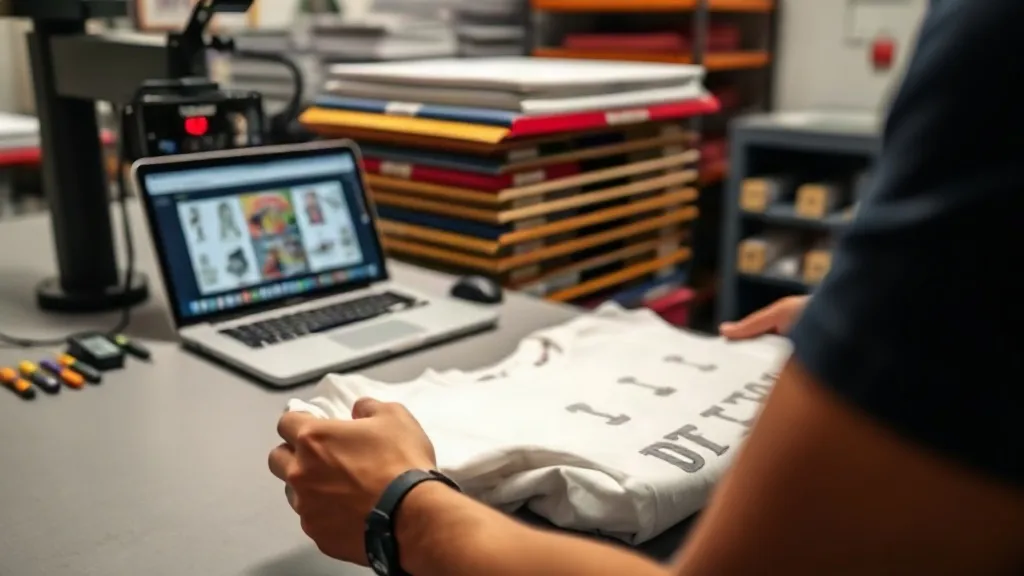
If you run a small apparel brand or print shop, you already know that pricing is one of the trickiest parts of the business. Price too high, and customers vanish. Price too low, and you work for free. With dtf transfers, the cost structure is different from screen printing or vinyl, and that changes how you should think about pricing. This guide walks through the real costs, the savings you can unlock with smart gangsheet use, and practical pricing strategies that keep your margins healthy.
Why DTF Transfers Change the Pricing Conversation
Traditional decoration methods have high setup costs. Screen printing requires screens, emulsion, and setup time for each color. Vinyl cutting demands weeding and weeding time. DTF printing eliminates most of that. Once you have a design file, you can print it, powder it, and press it. There are no screens, no color separations, and no minimum order quantities. That means your cost per piece is driven by the size of the print and the material used, not by the number of colors or setup labor.
For small runs, this is a game changer. A single shirt with a full-color front and back print costs roughly the same to produce as a one-color left-chest logo. That predictability makes it easier to quote prices without guessing. But it also means you need to understand your material costs precisely, because there is no setup fee to hide behind.
The Real Cost Breakdown of a DTF Transfer
To price profitably, you need to know what each transfer costs you. Here are the main components:
- Film and ink: The consumable cost per square inch of printed transfer. This varies by printer and ink type, but it is the largest variable cost.
- Powder and curing: Adhesive powder and the energy used to cure it. Small but non-zero.
- Labor: Time spent preparing files, printing, powdering, and pressing. Even if you do it yourself, your time has value.
- Blank garment: The shirt itself, which can range from budget to premium.
- Packaging and shipping: Poly mailers, labels, and postage if you ship.
- Overhead: Rent, equipment depreciation, software subscriptions, and utilities.
Many beginners forget labor and overhead, then wonder why they are busy but broke. A simple exercise: print a typical gangsheet, count how many transfers you get, and divide your total material cost by that number. Then add a realistic hourly rate for your time. That gives you a baseline cost per transfer.
How Gangsheets Lower Your Cost per Print
A gangsheet is a large sheet of film filled with multiple designs, printed in one pass. The more efficiently you nest designs, the less waste you generate. If you print a 22x60 inch sheet with ten designs, your cost per design drops significantly compared to printing each design separately. The savings come from reduced film waste, less printer downtime, and fewer powdering cycles.
To maximize savings, group designs by size and color complexity. Avoid large empty gaps by rotating and nesting smaller prints into leftover spaces. Many print shops use gangsheet builder tools that automatically arrange artwork for optimal yield. Even a simple manual layout can cut waste by 20 to 30 percent, which directly improves your margin.
When you buy dtf transfers from a supplier, gangsheet pricing is often tiered: the more you order, the lower the per-print cost. That means you can offer competitive retail prices while still making a profit, especially on bulk orders for teams, events, or corporate clients.
Pricing Strategies That Work for Small Apparel Brands
Cost-Plus Pricing with a Twist
Cost-plus is the simplest method: calculate your total cost per item and add a markup. For custom apparel, a markup of 2.5x to 3x is common for direct-to-consumer sales. But don't just apply a blanket multiplier. Consider the perceived value of the design. A trendy graphic on a premium blank can command a higher markup than a basic logo on a budget tee.
Competitive Pricing with a Floor
Look at what similar brands charge, but never price below your cost floor. If competitors are selling at prices that don't cover your costs, they may be buying in larger volumes or cutting corners. Compete on quality and service instead of racing to the bottom.
Bundle and Tiered Pricing
Encourage larger orders by offering discounts at quantity breaks. For example, price a single shirt at $28, three at $75, and six at $140. This increases average order value and helps you move more inventory without slashing per-unit prices.
Value-Based Pricing for Niche Designs
If you serve a specific community, such as a local sports team or a fan base, you can price based on the value the customer places on belonging. Limited-edition designs with DTF transfers can sell at a premium because they are not mass-produced.
Common Pricing Mistakes to Avoid
- Forgetting your own labor: If you don't pay yourself, you are subsidizing your customers.
- Ignoring waste: Misc prints, mispresses, and customer returns eat into profit. Build a 5 to 10 percent buffer into your prices.
- Not accounting for overhead: Your printer, heat press, and software have a lifespan. Set aside a percentage for replacement and repairs.
- Underpricing to win clients: It is hard to raise prices later. Start with sustainable margins.
- Overlooking shipping supplies: Poly mailers, tape, and labels add up. Include them in your shipping fees or product price.
Tools and Templates to Streamline Pricing
You don't need expensive software to price effectively. A simple spreadsheet with columns for material cost, labor, overhead, and desired profit margin can do the job. Update it regularly as supply costs change. Many gangsheet builder platforms also provide cost calculators that estimate film usage based on your layout. Use these tools to quote quickly and confidently.
For repeat clients, create a price list with clear tiers for different garment types and print sizes. Transparency builds trust and reduces back-and-forth emails.
Frequently Asked Questions
How much should I charge for a custom t-shirt with DTF transfers?
It depends on your costs and market. A common range for a basic tee with a front print is $20 to $30. Premium blanks and larger prints can justify $35 to $50. Calculate your cost per shirt, add your desired profit, and check what your target customers are willing to pay.
Do DTF transfers work on dark and light fabrics?
Yes. DTF transfers include a white ink layer that makes colors pop on both dark and light garments. This versatility means you can offer a wider range of products without changing your pricing structure.
What is the minimum order for DTF transfers?
Unlike screen printing, DTF transfers have no minimum. You can order one or one hundred. This flexibility is ideal for small brands testing designs or fulfilling one-off custom orders.
How do I calculate the cost of a gangsheet?
Add the cost of film, ink, powder, and printer time for the entire sheet, then divide by the number of transfers you fit on it. Include a waste factor for misprints. If you buy gangsheets from a supplier, the price is usually stated per sheet or per print.
Can I mix different designs on one gangsheet?
Absolutely. Mixing designs is the main benefit of gangsheets. Just ensure each design has enough space and that colors are compatible for the same pressing settings.
Pricing custom apparel with DTF transfers is not about guessing. It is about knowing your numbers, using gangsheets efficiently, and choosing a strategy that fits your brand. With the right approach, you can build a profitable apparel business that customers trust.